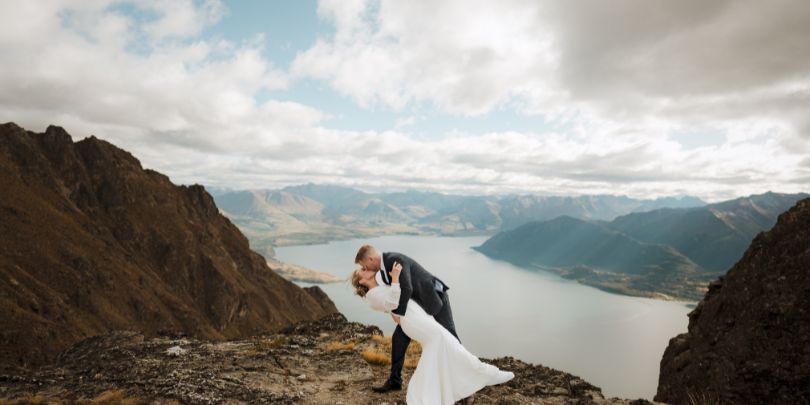
In my work as a wedding planner, I often meet couples with very different backgrounds. Some met while traveling, others have families scattered across multiple countries, and still others simply want to incorporate a detail into their wedding that reflects their heritage or a culture they particularly love. And this is precisely one of the aspects I find most fascinating about the world of weddings: love speaks a universal language, but every culture celebrates it in its own unique way.
Over the years, I’ve discovered wonderful traditions from all over the world. Some are symbolic and very intimate, while others are truly spectacular celebrations that last for days on end. Some couples choose to follow them faithfully, while others prefer to reinterpret them in a more contemporary way, adding small touches that make the wedding even more personal. What strikes me every time is how much these traditions manage to add depth and meaning to the ceremony. They aren’t just gestures or rituals: they are stories, identities, roots. In this article, I want to share some of the most beautiful wedding traditions on the planet. I’ve witnessed some of them firsthand during weddings I’ve organized or attended, while others I’ve discovered thanks to the couples I’ve worked with over the years.
India – Colorful Mehendi Ceremony
Indian weddings are among the most rich in symbolic rituals. One of the best-known moments is the Mehndi, a ceremony held before the wedding during which the bride’s hands and feet are decorated with intricate henna designs. It is a festive occasion that involves friends and family and symbolizes joy, prosperity, and protection for the bride-to-be. During the actual wedding ceremony, however, one of the most important rituals of a Hindu wedding takes place: the Saptapadi, or the seven steps around the sacred fire. The bride and groom walk together, reciting seven vows concerning mutual support, prosperity, family, and fidelity. This moment represents the couple’s spiritual commitment and symbolically marks the beginning of their married life. It is said that the darker the color, the more love she will receive from her husband.
The Philippines – The Flight of the Dove
In some traditional Filipino weddings, the bride and groom release a pair of white doves as a symbolic gesture during the ceremony or reception. Doves, which have long been associated with peace and harmony, represent the couple’s union and their hope for a peaceful and balanced life together. The flight of the two doves is interpreted as a wish for lasting love and a shared journey based on fidelity and mutual cooperation. Furthermore, in many Asian cultures, animals in pairs are often a symbol of partnership and balance in married life. Although this tradition is sometimes replaced today by more modern symbolic gestures, it remains one of the most recognizable and poetic rituals associated with Filipino weddings.
Greece – Bread as a symbol of abundance
In Greek folk tradition, bread has always been a powerful symbol of prosperity and family sustenance. In some wedding customs, during dances or celebrations, bread may be placed on the shoulders of the bride and groom as a symbolic gesture. This ritual represents a very simple yet meaningful wish: that the new family never experience want and that the couple’s home be always full of food, hospitality, and abundance. Like many folk traditions, the gesture varies by region and family, but the meaning remains the same: to convey a concrete wish for prosperity and well-being in their new life together.
Japan – Sharing Sake
In a traditional Japanese wedding ceremony, the bride and groom share three cups of sake in a ritual known as San-san-kudo. The “San-san-kudo” ritual involves drinking sake from three cups of increasing size. Both the bride and groom take three sips from each cup. The number “three” is considered lucky, and the ritual symbolizes the union of the couple and their families. This ceremony symbolizes unity and blessing, with the three cups representing heaven, earth, and humanity. Traditional Japanese ceremonies take place at a Shinto shrine. Shrines are considered sacred places and represent Japan’s indigenous spirituality. The bride wears a white kimono called a shiromuku during the ceremony, a symbol of purity and a new life. She often also wears a hat called a tsunokakushi to symbolically hide “the horns of jealousy.” The groom wears a montsuki, a black kimono bearing the family crest, and a hakama, a formal split skirt.
China – The Tea Ceremony
In Chinese tradition, one of the most significant moments of a wedding is the tea ceremony. During this ritual, the bride and groom serve tea to their parents and the elders of the family as a sign of respect and gratitude. The tea ceremony marks the couple’s official acceptance into the extended family. In return, the elders often offer words of blessing and small gifts, such as jewelry or red envelopes containing money, which symbolize good fortune and prosperity. It is a very intimate ritual deeply rooted in the values of family, honor, and continuity across generations.
Croatia – The Central Role of the Home
It is customary for the groom’s family to visit the homes of the guests to personally invite them to the ceremony. During these visits, they offer traditional sweets or small gifts. The bride’s home is often decorated with flowers and ribbons, and there is dancing and singing as preparations are made for the big day. The groom arrives at the bride’s home accompanied by a procession of relatives and friends, often with music and singing. In some regions, the groom must symbolically “buy” his way into the bride’s home by offering gifts or sweets. After picking up the bride, the procession heads to the church, accompanied by car horns and music to announce the wedding to the community. The day after the wedding, some couples host a lunch or a party called prva jutarnja to thank the guests and continue the celebrations in a more informal setting.
South Africa – The Flame of the Two Families
In some South African wedding traditions, there is a highly symbolic ritual involving fire. The bride and groom bring a flame from their respective families or homes to the ceremony, and during the wedding, these two flames are joined to kindle a new one. The gesture represents the transition from two distinct family histories to the creation of a new union. The new flame symbolizes the home the couple will build together and the bond between the two families, which from that moment on become part of a single journey. It is a simple yet symbolically powerful ritual, as it evokes the idea of continuity, roots, and the birth of a new family.
Nigeria – Dance, Music, and Money Spray
Nigerian weddings are renowned for their energy, color, and lengthy celebrations involving friends and family. Music and dance are central to the celebration and often become the most spectacular moment of the day. A widespread tradition during the reception is the so-called “money spray”: while the newlyweds or guests dance, friends and family throw or “spray” banknotes over them. This gesture is not simply a way to celebrate, but represents a wish for prosperity, good fortune, and financial support for the couple’s new life. This moment creates an extremely engaging and communal atmosphere, in which all guests actively participate in the celebration.
Mexico – The lasso that unites spouses
During a traditional Mexican wedding ceremony, often celebrated according to the Catholic rite, a very significant symbol called “el lazo” is used. It is a long rope, a chain, or a rosary that is placed around the shoulders of the bride and groom, forming a figure eight or infinity symbol. The lasso is usually placed by godparents or witnesses immediately after the exchange of vows. This gesture represents the couple’s union and the bond that will last a lifetime. The infinity shape evokes the idea of continuity, fidelity, and lasting unity, becoming one of the most symbolic moments of the ceremony.
Estonia – the vihkimine
Before the wedding, it is common for the couple to participate in a ceremony called “vihkimine,” where they exchange private or symbolic vows, often in a natural setting such as a forest or near a lake. After the wedding, a symbolic ritual takes place in which the bride’s veil is removed and replaced with a handkerchief, symbolizing her transition from young woman to wife.
Morocco – Welcome with milk and dates
In Morocco, weddings are elaborate celebrations that can last several days, often between three and seven, involving families, friends, and entire communities. The festivities include ritual moments, traditional music, ceremonial attire, and numerous celebrations that accompany the newlyweds as they transition into their new life together. Among the symbolic gestures associated with marriage is the welcoming of the newlyweds at the end of the celebrations. When the couple arrives at their home or the place where they will begin their married life, they may be welcomed with milk and dates, offered as a sign of good wishes. Both have strong symbolic value in Moroccan culture: milk represents purity, blessing, and prosperity, while dates are associated with the sweetness of life and abundance. Offering them to the newlyweds is a way of wishing them a peaceful marriage, filled with harmony and happiness.
Argentina – The Hunt for the Wedding Cake Tootie
In some Argentine wedding traditions, there is a fun and much-anticipated moment associated with cutting the wedding cake. Several small chains with pendants are placed inside the cake, with only the ends of the chains sticking out so that the guests can grab them. Each guest chooses a chain and pulls it out of the cake: each charm has a small symbolic meaning. Among these, one in particular holds special significance: the charm shaped like a wedding ring. It is a lighthearted and engaging part of the celebration, involving the bride’s friends and bridesmaids in particular, and adding a touch of fun and good luck to the occasion. The bridesmaid who finds the wedding ring-shaped charm will get married within the next year!
Albania – a festive parade
One of the most colorful traditions is the procession in which the groom, accompanied by friends and relatives, goes to pick up the bride from her home. This moment is often accompanied by music, dancing, and celebratory gunfire to mark the occasion. After the wedding, the couple visits the homes of close relatives to thank them and share in the joy. This is a way to strengthen family bonds.
In the end, one thing is certain: when it comes to love, the whole world has a beautiful story to tell. Wedding traditions reflect different stories, identities, and cultures, but they all have one thing in common: they celebrate love in an authentic and meaningful way. In my work, I love helping couples create a wedding that truly reflects who they are, incorporating traditions, symbols, and details that make every event unique. If you’re starting to envision your wedding and would like to create something special, let’s talk about it together. Book a consultation: it will be the perfect opportunity to share your story with me and begin shaping your wedding.