The Bar Mitzvah is a ritual event in Judaism that marks the moment when a teenager reaches religious adulthood, taking on the responsibility of observing the commandments (mitzvot). This important celebration takes place when boys turn thirteen, whilst for girls there is a ceremony called the Bat Mitzvah, which is held at the age of twelve. During the ceremony, which is often held in a synagogue, the young man or woman reads from the Torah and the Haftarah whilst wearing tefillin (two boxes, each containing four biblical passages written on parchment), thereby becoming an official member of the Jewish community.
Vision and budget: the cornerstones for getting off to a good start
This very important milestone (which marks the transition from dependence on one’s parents to personal responsibility towards Jewish law and the community) certainly deserves to be celebrated in style, and the the first step in organising any event It’s about having a clear vision of what you want and a budget that matches your expectations. Here are the questions you should ask yourselves: how many guests will there be? (Draw up a guest list and, whilst you’re at it, note down any food intolerances next to each name.) What sort of decorations are planned, and how many? Will there be a cake? Will there be a table set up for the cake or other themed areas? How many suppliers will be involved? E.g. photographer, DJ, entertainer, etc. Once you’ve finalised this list, you’ll have a clearer idea of the budget to allocate to the event. If you want the party to be particularly impressive, I’d recommend seeking help from a party planner or an event planner.
Venue and date: ensuring the perfect ‘I do’
Now that we’ve got a bit of a clearer idea, it’s time to choose the venue for the reception. The Bar/Bat Mitzvah does not take place at a fixed time of year, but is celebrated on the exact day when theteenager turns 13 or 12. This means that the reception could be held outdoors (if the weather is fine and it is the warmer months) or indoors (in autumn or winter). So let’s find out the secrets to choosing the ideal setting for your event. If you prefer to celebrate directly in a restaurant, it must serve kosher dishes in the Jewish tradition. Depending on the number of guests and the venue’s capacity, decide whether to book the whole restaurant for yourselves or just a dedicated area. If, on the other hand, you prefer to make use of a
catering Kosher You can choose from a wide range of venues that do not have on-site catering. My advice, of course, is that in both cases the venue you choose should not be too far from the synagogue and should be easily accessible. As well as the distance, the venue should be spacious enough, easily accessible, have parking facilities, adequate toilet facilities, be well-maintained and match the style and atmosphere of your event.
But how many synagogues are there in Italy, and, more importantly, where are they located?
There are around 50 synagogues open to the public in Italy, many of which are regarded as historic sites and museums, particularly those in smaller towns, which are often open to visitors but have a small active community. These places of worship and historical heritage sites are spread throughout the country, although the majority are located in the centre-north. The largest synagogue is in Rome (which has around fifteen in total), followed by Milan, Turin, Florence, Venice (with several historic synagogues within the old ghetto), Trieste (home to one of the largest monumental synagogues in Europe), Livorno, Casale Monferrato, Ferrara, Mantua, Padua, Siena, Verona and other smaller towns.
Theme and details: creating that ‘wow’ effect that says something about you
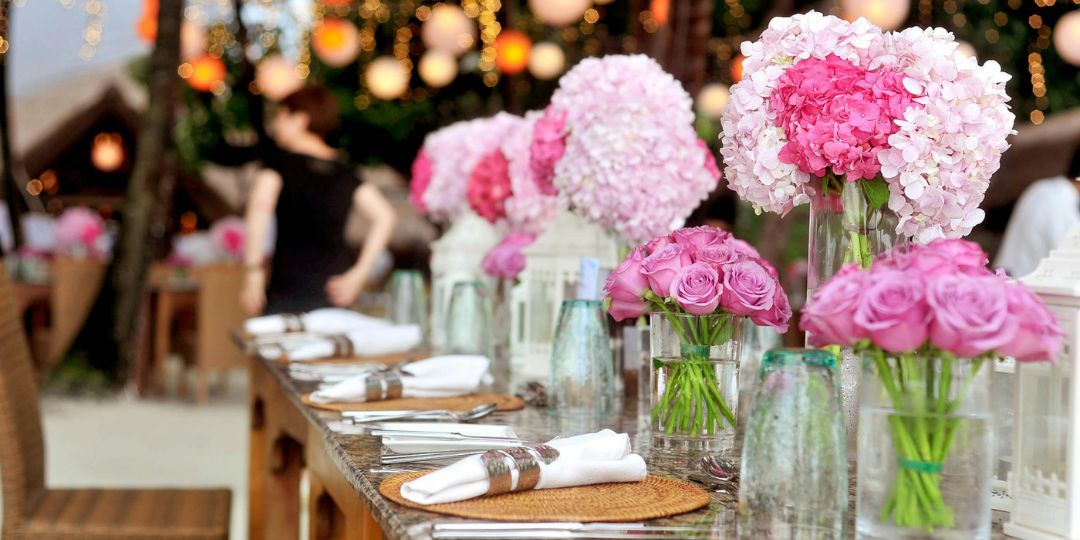
From the place cards to the centrepieces, every detail reflects who you are and makes the reception more beautiful and enjoyable for you and your guests. Celebrating a Bar/Bat Mitzvah is not like celebrating your 18th birthday or graduation, which symbolise the achievement of a milestone; rather, it is a celebration of a new beginning in spiritual awareness. So, a theme for a Bar/Bat Mitzvah party could focus on themes ranging from classic Jewish motifs (such as Jewish symbols and traditional colours) to modern and personal themes (hobbies, dreams, lifestyles), combining festive elements (music, food, entertainment) with the profound significance of taking on responsibility. Would you like some concrete examples? The theme of ‘journey’, for instance, takes on a dual connotation – both spiritual and geographical. If you’d prefer to stick to a more traditional style, you could opt for a décor featuring an abundance of candles and colours such as white, gold and light blue to symbolise light and wisdom. . . . . . . . . . . . . ..
Food, music and entertainment: the trio that makes a party
A party isn’t a party without these three elements: good food, music and entertainment. But how do you balance tradition with modern fun? The celebration can range from a simple reception to a large-scale event, featuring kosher food (i.e. food prepared in accordance with Jewish law); shellfish, molluscs and certain types of meat, along with dairy products, are therefore prohibited, and ritual preparation is essential for both meat and fish. It is therefore essential to choose a caterer who is familiar with the traditions of Jewish cuisine.
As the guest of honour is sure to receive gifts, it is advisable to set up a table or a designated corner to collect them, along with a gift envelope holder – which can come in various shapes and materials – in which to keep monetary gifts. Monetary gifts in multiples of 18 are considered particularly auspicious and have become very common at Bar/Bat Mitzvahs. Many Bar/Bat Mitzvahs also receive their first tallit (prayer shawl) from their parents, to be worn for the occasion together with tefillin.
A festanon isn’t a proper party without a bit of music. Choose a DJ or a band who’ll keep everyone dancing until late. If you choose a DJ, let them know well in advance what sort of music and genre you’d prefer so that they have time to prepare the playlist; if, on the other hand, you prefer live music, you’ll obviously have to stick more closely to their repertoire. It’s important to make this decision well in advance to ensure you choose the right provider. You can also certainly supplement the set list with traditional Jewish (Klezmer) and modern music. I’d also like to remind you that in Italy there is the SIAE (Italian Society of Authors and Publishers), to which a fee must be paid – the amount of which varies depending on the type of event and the number of guests – to avoid the risk of incurring penalties for the reproduction of music.
D-Day: enjoy the magic (without the stress!)
We’ve finally reached the big day and there’s so much to do! Don’t worry, I’ve put together my own personal checklist for you here to ensure the event runs smoothly, allowing you and the guest of honour to enjoy every moment with joy and peace of mind.
1. Final Preparations – Delegate and Stay Calm
– Choose a trusted friend or family member (if you don’t already have your own event organiser) to consult on any last-minute logistical issues.
– Make sure everyone’s clothes, including kippahs, tallits, shoes and accessories, are ready, ironed and easily accessible.
– Pack a small bag with essentials: mints, tissues, a pocket sewing kit, personal medication, portable chargers, make-up, plasters, sanitising wipes and anything else you think might come in handy. Make a list well in advance.
– Don’t forget to eat something light but nutritious before the ceremony begins. It’s going to be a long day and you’ll need your energy!
– Check the exact arrival time of the vehicle or transport service for the synagogue and for the restaurant or chosen venue.
2. During the Ceremony and Reception – Be Present and Welcoming
– Find a moment of calm with your son or daughter before the ceremony begins. Don’t forget the special significance of this day.
– When you arrive at the reception venue, have a look around. Are the table arrangements and preparations exactly as planned?
– Make sure there is a designated place to put any gifts and envelopes that arrive.
– Take the time to greet everyone, without feeling obliged to have long conversations. A smile, a hug and a handshake will be more than enough.
– Let the DJ or band, together with the organiser, guide you through the key moments: Motzi (blessing of the bread), speeches, cutting the cake and dancing.
3. End of the Event – Leaving on a Light Note
– Stand near the exit to say goodbye to guests in person as they leave.
– Make sure you have all your personal belongings with you, such as any remaining party favours, your son’s tallit, the gift bag and the emergency kit.
– A quick, in-person thank you to the DJ, photographer, catering manager and party planner is always appreciated.
The success of a Bar Mitzvah does not depend solely on the décor and the quality of the food at the reception, but also on the family’s ability to enjoy this day with happiness and joy, without having to worry about the organisation. It is in this context that my role becomes essential, allowing you to be simply parents, special guests and, above all, there for your son or daughter. The aim of my discreet yet constant presence will be to ensure that your only thought is: ‘How lovely!’