
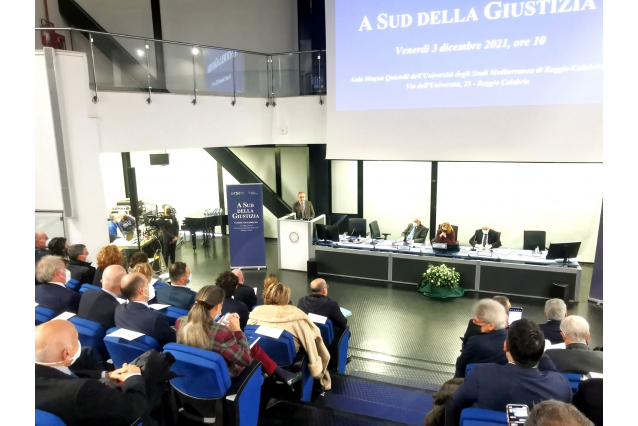
In the world of event planning, terms such as congress, conference, and meeting are often used interchangeably. However, understanding the structural differences between these formats is not merely a stylistic exercise; it is the fundamental starting point for defining the budget, communication strategy, and guest experience.
1. Conceptual Maps: Congress, Conference, or Meeting?
To navigate corporate and association event management effectively, it is necessary to clarify the primary objectives of each event:
| Format | Typical Organizer | Frequency & Nature | Primary Objective |
| Congress | Trade associations, scientific bodies, or institutions | Periodic (often annual) | Professional training, regulatory updates, and credits (ECM/CFP) |
| Conference (or Guest Appearance) | Single company, brand, or consortium | Occasional / One-off event | Market positioning, product launch, or discussion of a key topic |
| Meeting | Companies (internal or B2B) | Recurring or as needed | Operational alignment, strategy, team building, or negotiation |
The key element: An event qualifies as a genuine congress or conference when the audience consists of industry professionals, the speakers are prominent figures from various backgrounds, sponsors and media partners are involved, and the program awards professional training credits.
2. The Economic Engine: Speakers, Sponsors, and Added Value
The success of a conference hinges on a perfect balance between the authority of the content and financial sustainability:
- The Draw of Speakers: The presence of opinion leaders and academics is the primary driver for boosting registrations.
- The Role of Sponsors and Media Partners: Companies invest in the congress to gain high-quality visibility. Media partners amplify exposure, turning the event into a sounding board for the entire sector.
- The Ancillary Experience: A memorable conference goes beyond classroom sessions. Gala dinners, networking activities, and team-building formats transform training into a high-value opportunity for building connections.
3. Invitation Management: The “Three-Wave” Strategy
Inviting a diverse audience (journalists, VIPs, professionals, partners) requires a progressive communication plan. Avoid revealing every detail right away: the goal of the invitation is to generate desire and commitment, while operational details will be handled later.
Ondata 1: Save the Date  --->(Data, Città, Vision)
Ondata 2: Programma & Speaker  ---> (Dettagli sessioni e valore)
Ondata 3: Info Logistiche ---> (Hotel, Transfer, Menù)
- The finishing touch: The written invitation must always be personalized for the specific guest category and followed by a strategic follow-up call to confirm key attendees. Upon arrival at the venue, guests will receive the “Day Time Line” (the complete printed or digital program).
4. The Phygital Evolution: Beyond Simple Live Streaming
A phygital event is not about placing a webcam at the back of the room; it is about designing an integrated ecosystemwhere the physical and digital dimensions coexist and interact in real time.
To ensure a seamless experience for both in-person and remote participants, the technological infrastructure requires:
- Dedicated Production and Audio: Directional microphones for speakers and automated or guided camera framing systems.
- Platform Integration: Tools enabling remote audiences to vote, ask questions, and interact with the physical venue.
- Network Infrastructure: Dedicated ultra-broadband connections with backup lines to eliminate the risk of disconnection.

Frequently Asked Questions About Corporate and MICE Event Management
What is the main difference between planning a congress and an internal corporate event?
Congresses require a more complex structure involving sponsor management, an organizational secretariat for attendee accreditation, the coordination of external speakers, and where applicable the issuance of professional training credits (such as ECM or CFP). Internal corporate events (like conventions), on the other hand, focus on corporate culture, strategic alignment, and employee engagement.
What does it really take to transform a traditional event into a successful “phygital” event?
Beyond stable, ultra-broadband connectivity, the key is digital engagement. Remote participants should not feel like mere spectators; it is essential to include dedicated online chat moderators, Q&A sessions that integrate the physical venue with remote attendees, and real-time polls accessible from any device.
How far in advance should the invitation campaign for a congress or conference begin?
For association congresses or events offering professional accreditation, the initial round of communication (Save the Date) should go out 4 to 6 months in advance. For corporate conferences or B2B meetings, 6 to 8 weeks are generally sufficient to ensure a strong response rate.

